

The Hits: 80s & Beyond Nigeria
The Hits: 80s & Beyond Nigeria features iconic tracks, timeless rhythms, and memorable melodies, celebrating the classic sounds of Nigerian music from the 80s tubidy.
The Hits: 80s & Beyond Nigeria embodies the essence of an epochal revolution in Nigerian music. Fela Kuti and Sunny Ade are some of the legends who incorporated Afrobeat, juju and highlife to create timeless and infectious rhythms. These songs characterize a generation and impact contemporary music. They glorify cultural identity, narration and community, which left a rich heritage that is inspiring to musicians around the world.
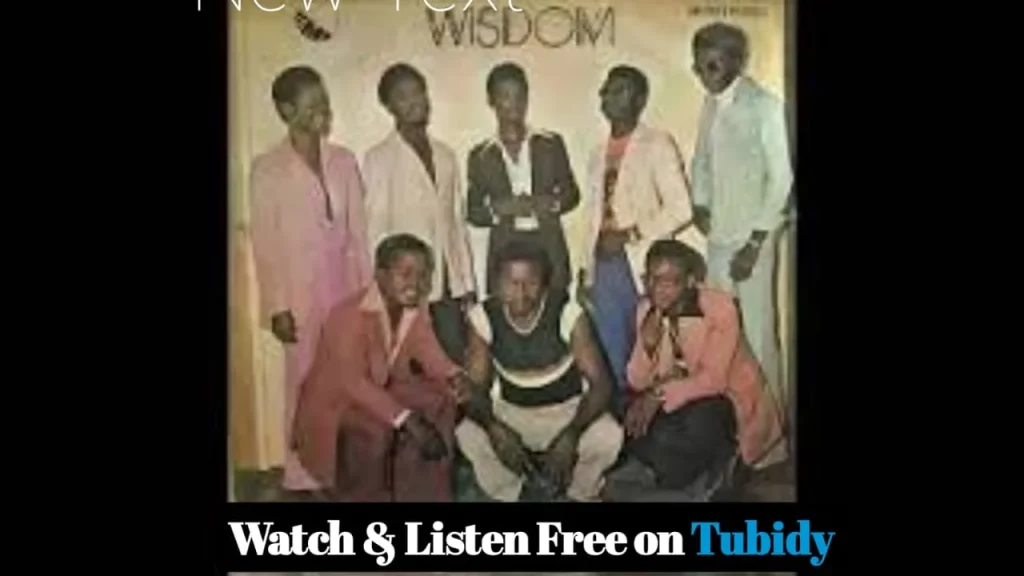
In its very essence, the 80s Nigerian hits are characterized by emotional richness and colorful instrumentation. Different polyrhythms, melodic guitar lines and percussion complexity appeal to the listeners and communicate social messages. Music turned into a way of contemplation, glorification, and oneness. Its longevity is in the fact that it managed to unite technical virtuosity and heart-throbbing emotion and make every song a milestone of the culture and music.
| Aspect | Details |
|---|---|
| Song Title | The Hits: 80s & Beyond Nigeria |
| Artist | Various Artists |
| Language | English / Nigerian Languages |
| Genre | Nigerian Pop / Afrobeat / 80s Classics |
| Type | Compilation / Playlist |
| Album | Various Nigerian Music Collections |
| Release Year | Varies |
| Song Length | 3–6 minutes (typical range) |
Performance
The Hits: 80s & Beyond Nigeria music performance was exciting and thrilling. Such charismatic artists as King Sunny Ade and Ebenezer Obey mixed rhythmic and vigor on the stage, incorporating delicate guitar riffs with the vigor of percussion. Their performances were an alternate reality, a blend of rhythm, dance and audience participation, which made an intimate and at the same time electrifying relationship between the performer and the listener.
Live shows were based on musicmanship and storytelling. Bands were highly coordinated and gave freedom to improvise and encourage fans to dance, sing, and rejoice. This engagement turned concerts into cultural and music festivals. Live shows were very energetic and the messages in the songs were strengthened so that every performance was memorable.
The Core Message
The major theme of the The Hits: 80s & Beyond Nigeria Nigerian hits is social awareness, party and personal expression. Such artists as Onyeka Onwenu examined the topic of love, fortitude and social problems in a manner that touched the hearts of the viewers. Music turned out to be the means of expressing personal and communal experiences and making the generations meet, creating cultural pride.
Besides, Nigerian hits focus on collectivity and emotional bondage. Songs and words prompted people to interact with family, community, and identity. Music played the role of not only entertainment but also a way of social reflection and communication. These songs bring out the timeless role of narrative and rhythm in determining cultural awareness.
Lyrics Interpretation
In The Hits: 80s & Beyond Nigeria music, the lyrics are a combination of poem and cultural knowledge. Such artists as Majek Fashek and Sunny Ade performed the themes of love, struggle and celebration with the help of language, idioms and image. Complex instrumentation was complemented by words so that the audience was able to feel both narrative and rhythm together.
The interpretation is loose and listeners are able to relate to songs on a personal and social level. Lyrics can be very proud of the heritage, community and resilience, making one think and get involved. The music of this period allows the projection of emotions to be left, and each listening experience is personal and collective, contributing to the timelessness of the Nigerian hits of the 80s.
Musical Composition & Vocals
The compositions are focused on polyrhythms, melodic guitars, and percussion-oriented arrangements in music. Artists such as Fela Kuti and Ebenezer Obey stacked horns, drums, and guitars to give an all-encompassing sound that would impress the audience. The arrangements were balanced in terms of their complexity and accessibility, providing energy and involvement in every track.
Vocals were melodic, storyline, and rhythmically combined with music. Onyeka Onwenu and Majek Fashek were artists who communicated all three at the same time emotion, message, and groove. The use of harmonies and call-and-response enabled a deeper level of connection and the ability of music to establish contact along more than one level. What came out was an effortless union of expertise, sentiment and cultural narratives.
Symbolism and Deeper Meaning
The 80s Nigerian hits tend to reflect cultural pride, social reflection, and resilience. Music was being used by artists such as Sunny Ade to glorify heritage, history and identity. Beats and music captured all the aspects of daily life, social issues and sharing life, and turned sound into narration and feeling.
More profoundly, these songs outline patience, solidarity and innovation. Music was a medium of reflection, empowerment, and connection, which represented a form of joy and struggle living in harmony. Cultural identity was strengthened by rhythm, lyrics, and performance symbolism that made these hits to be represented as eternal remembrance of the artistic and social environment in Nigeria.
Emotional Impact on Listeners
The hits of the 80s in Nigeria are emotionally charged and physical. People that admire Majek Fashek and Fela Kuti frequently state their happiness, visions, and self-reverence. Poly-rhythmic beats, expressive vocals, and energetic instrumentation make people dance, reflect and interact socially, which makes whole listening.
The music also enhances social affiliations. There is a sense of closeness between generations and communities through songs as it facilitates the preservation of heritage and emotional connections. The listeners get catharsis, happiness and nostalgia all at the same time, which validates the strength of music to bring people together and motivate them. This has a personal and communal effect, and these songs have become a permanent staple in the Nigerian culture.
Conclusion
The Hits: 80s & Beyond Nigeria are still classic in their artistry, energy and cultural appeal. This period remains the source of inspiration of such artists as Teni, Burna boy and Tiwa Savage, who combine traditional rhythms with modern styles. The music triggers emotion, history and identity and produces songs that are not outdated and powerful.
In the end, the 80s hits of Nigeria are a great demonstration of the strength of rhythm, narrative and cultural pride. These songs are powerful, emotional, and unforgettable, which makes them motivate, uplift, and unite an audience. They have left a legacy and it serves to remind people that music can be both personal and universally relatable and can shape the soundscape of a new generation.