

Tarab
Tarab features soulful Arabic melodies, emotive vocals, and rich instrumentation, perfectly capturing the nostalgic, expressive, and heartfelt spirit of Tarab tubidy.
Tarab is a rich Arabic music that is characterized by intense emotion, complex melodies and expressiveness. It is its very nature that is the ability to rouse ecstasy and to move the listeners into the in-between state of increased feeling. This was mastered by legendary artists such as Umm Kulthum and Fairuz, they combined poetry, improvisation and the art of the voice to make memorable concert experiences that transcended time and boundaries.
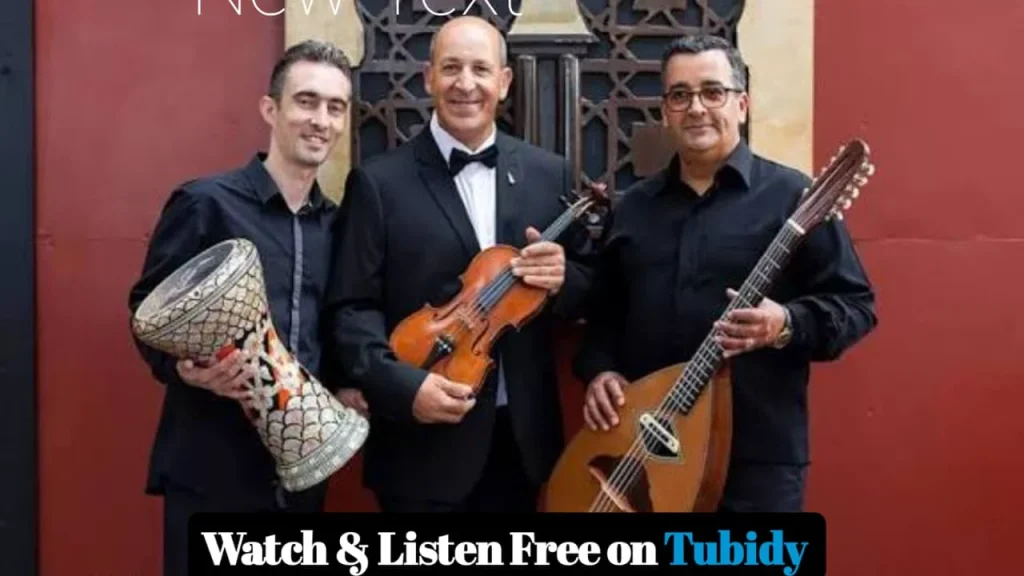
It is a genre that places emphasis on subtlety and richness, as opposed to spectacle. Tarab depends on subtle phrasing, ornamentation with melodies and rhythmic change to attract the listeners. Every note turns into an emotional vessel that enables listeners to experience happiness, sadness or nostalgia. This philosophy of music will keep Tarab popular and will provide the audience with the close yet thought-provoking experience inspired by the centuries of Arabic culture.
| Aspect | Details |
|---|---|
| Song Title | Tarab |
| Artist | Various Artists |
| Language | Arabic |
| Genre | Tarab / Arabic Classical Music |
| Type | Compilation / Playlist |
| Album | Various Tarab Collections |
| Release Year | Varies |
| Song Length | 3–8 minutes (typical range) |
Performance
Tarab performance is highly participatory as it involves both the artist and the audience to be involved through their emotions. Singing stars such as Abdel Halim Hafez and Warda Al-Jazairia react to the listeners, changing the tempo, phrasing and decorations to make an emotional effect more powerful. The live performance turns into the interaction between the performer and the audience, establishing a special environment and immersion during the concert.
Tarab focuses on improvisation. Singers and musicians expand or modify passages to create a certain sentiment. The voice is accompanied by the use of traditional instruments (oud, qanun, darbuka) to provide the texture and resonance. Performance is not the speed or the volume but the expressive richness that makes every Tarab concert emotional and memorable.
The Core Message
The essence of Tarab is emotional sincerity and human bondage. Such artists as Mohammed Abdel Wahab and Asmahan express the significant emotions of love, desire and spirituality. Music turns into a reflection of the human heart and the audience can contemplate the personal experience and feelings, being touched by the performance art.
Tarab also conveys the message of cultural identity and artistic excellence. The combination of lyrics, melody, and improvisation is devoted to poetic tradition and musical refinement. It gives the listeners a mix of individual and group feeling and strengthens social and cultural connectedness. The music makes audiences remember that expressing emotions, when done right, is not only universal but also very personal.
Lyrics Interpretation
Tarab lyrics are verses which tend to be founded on classical Arabic literature and on modern poetry. Such artists as Sabah Fakhri also focus on the use of expressive language, metaphor, and vocal modulation to bring out subtle emotions. Words are not only sung, but it is done on purpose, making each line a trip of emotion and thought.
Understanding is very subjective. The meaning that is internalized in audiences depends on the individual experience, cultural information, and sensitivity to emotions. This is because the melody and the lyrics create one unity that lets people experience the poetry more than perceive it. The lyrics of Tarab can guarantee that the performance will be unique to every person and remain deep and rich.
Musical Composition & Vocals
The compositions of Tarab are centered on melodic abundance, rhythmic nuance and harmonic beauty. Musicians such as Najwa Karam and Samira Said make use of scales (maqamat) to express emotion, and make complex musical textures that sustain lyrical expression. Instrumentation is very well-calculated, such that the voice is emphasized, without losing the continuity of the rhythm.
Vocals are the center stage and are ornamented, sustained and dynamic. Vibrato, melisma, and improvisation are used by singers to create the emotional intensity. This way of singing enables Tarab to convey complicated emotion without words. Voice combined with composition makes every listener experience an immersive and emotionally charged music.
Symbolism and Deeper Meaning
Tarab is a sign of emotional elevation, cultural pride and mastership. All performances are human experiences filled with joy, sorrow and spirituality. The artists such as Umm Kulthum represent the Tarab capacity of making music a strong emotional ceremony where the involvement of the audience is as significant as the work of the performer.
The relationship between innovation and tradition has deeper meaning. Tarab brings the classical musical structures with the personal interpretation in a way that respects the old generations, and in the same breath, permits artistic individuality. This symbolism adds to the long-lasting applicability of the genre, highlighting that music could express the depth of human emotion and at the same time not lose its cultural roots.
Emotional Impact on Listeners
Tarab is highly emotive, and it can easily cause the viewers to cry or feel in ecstasy. Those who listen to Fairuz or Abdel Halim Hafez say that they are transported, absorbed, and more conscious of nuances. Its mix of melody, lyrics and improvisation is appealing to the heart and mind to build a whole emotional experience.
The music promotes reflection, intimacy and compassion. In its emotional words, Tarab helps listeners to experiment on personal feelings within a safe and expressive environment. The fact that the genre was able to produce such a strong reaction indicates its strength and universality, and it is an indelible part of Arabic music and cultural identity.
Conclusion
Tarab is, perhaps, one of the most advanced and emotionally rich genres in Arabic music. Its tradition is still held by modern and classical voices such as Warda Al-Jazairia and Sabah Fakhri who find new audiences. It combines poetry, melody and improvisation in the right proportions to guarantee that it has timeless appeal and cultural importance.
In the end, Tarab survives due to its emphasis on the feeling over the show. Its performances encourage its listeners to experience, meditate and bridge time and space. The genre glorifies the human experience by voice, rhythm, and lyrical allure entrenching itself as an intergenerational and transformative musical culture.