

Solo Jazz Guitar
Solo Jazz Guitar features smooth, expressive guitar melodies with intricate jazz harmonies, perfect for relaxing, focusing, or enjoying sophisticated vibes tubidy.
Solo Jazz guitar is a very expressive genre of music, which focuses on intimacy, emotion and mastery of technique. It dwells upon the guitar as a melodic and harmonic instrument, which is able to express whole musical stories without accompaniment. The examples of Joe Pass, Wes Montgomery, and Grant Green show how the beauty of solo performance can be achieved, and how a single instrument can impress and absorb listeners in the complicated emotional worlds.
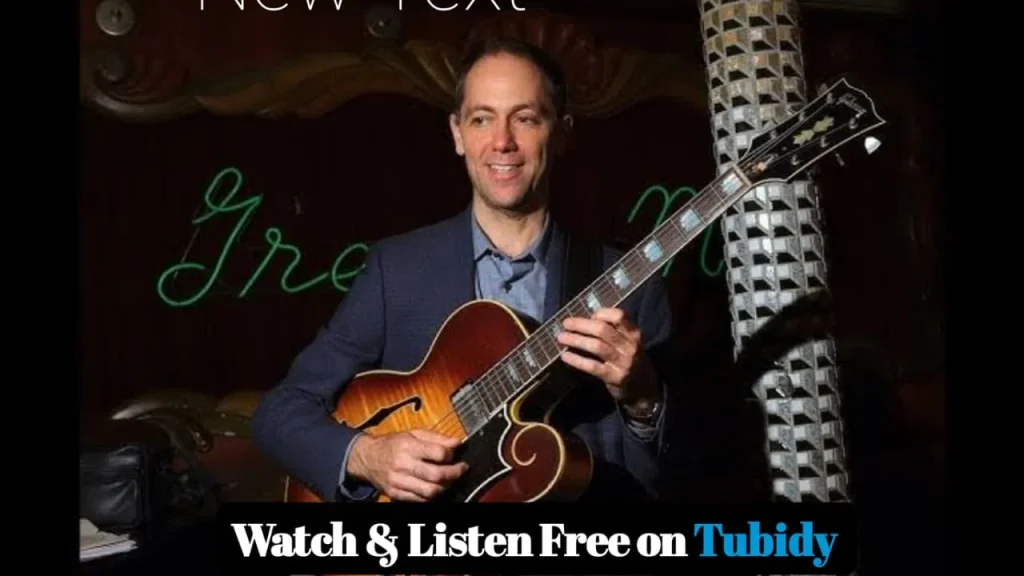
Solo Jazz Guitar is based on personal connection. Every note, every chord, every pause is a brushstroke, creating images of reflection, nostalgia, or introspection. This style works well in quiet settings, such as coffeehouses, small concerts or listening to it alone, where music adds to the experience without overpowering the listener, providing both sophistication and subtle emotional response.
| Aspect | Details |
|---|---|
| Song Title | Solo Jazz Guitar |
| Artist | Various Artists |
| Language | Instrumental |
| Genre | Jazz / Guitar Jazz / Smooth Jazz |
| Type | Instrumental / Solo Performance |
| Album | Various Compilations |
| Release Year | Varies |
| Song Length | 2–6 minutes (typical range) |
Performance
The solo jazz guitar performance needs accuracy, control and sensitivity. Guitarists concentrate on phrasing, touch and timing and not on volume or speed. Examples of such legends as Pat Metheny and John Scofield are examples of subtle performance which conveys the narrative through the subtle dynamics, melodic contour and tonal shade, and creates intimate dialogue with the listener.
Live shows increase the intimacy of the genre. Silence, space, and slow tempo transition are some of the techniques employed by artists such as Kenny Burrell to create emotional reaction. Each performance is individual and it signifies how the artist interprets melody, harmony and rhythm. The emphasis on delicacy and gentleness make the music both intimate and emotionally touching, which supports the power of expression of the solo instrument.
The Core Message
The fundamental idea behind Solo Jazz Guitar is the one of uniqueness, contemplation, and subtlety in expression. Personal storytelling is a mode of delivery that music provides, as it enables listeners to be overwhelmed with a variety of emotions using one instrument. The guitarists such as Jim Hall do not express depth in complexity but rather in the careful phrasing, control of dynamics and exploration of melodies.
This kind of genre makes listeners slow down and enjoy subtleties. The lack of accompaniment creates a place of interpretation so that the listeners can relate to the music on a personal level. Solo Jazz Guitar shows that, too often, intimacy, patience and emotional resonance can be much more important than technical spectacle in making a lasting musical impression.
Lyrics Interpretation
Solo Jazz Guitar leans more towards instrumental, although there are occasions when lyrics or vocal components do come into play, but these are used as texture, and not as a story of any sort. Interpretations of songs with such instruments like guitar like misty may contain the softness of the voice lines that do not take away the focus on the melodic narration. The use of lyrics is subtle and generates emotional stimulation, which becomes a part of harmony and melodic motion.
The listening to Solo Jazz Guitar is characterized by emotion listening, not meaning. Tonal color, phrasing, and improvisation are used instead of the usual lyrics, and this welcomes individual contemplation. Every performance is the story of a sound and the listener can transfer the feelings, memories, and imagination to the music, which forms a very personal contact.
Musical Composition & Vocals
Composition in Solo Jazz Guitar balances the harmony, melody, and rhythmic structure. Guitarists tend to blend bass lines, chordal textures and melodic runs to form abundant self-sufficient arrangements. Wes Montgomery and Joe Pass are the masters of this method, and they created the sophisticated arrangements that are not stiffened but flowing, natural and expressive.
There is minimal use of vocals and these are merged with the guitar. The instrumentation is in the lead, and gentle voices complement the atmosphere without taking over. This will provide some consistency and flow, keeping one interested in the lengthy works. Fingerstyle, chord-melody and improvisational give the genre depth and variety without losing the intimacy of the genre.
Symbolism and Deeper Meaning
Introspection, self-expression, and independence in art are symbolized by Solo Jazz Guitar. Thoughtfulness is expressed by each note, and silence is as expressive as the sound. Guitarists like Pat Metheny and Kenny Burrell employ the instrument to convey vulnerability, joy, longing, and reflection and make a musical portrait of the human experience.
The greater sense is that of restraint and deliberateness. All the sounds are purposeful and it is important to note that the real depth of emotion is achieved when it is expressed in a meaningful and subtle way and not by means of complexity and volume. The genre is the personal and reflective aspect of music, it reflects the art that reflects subtle emotion and intellectual maturity.
Emotional Impact on Listeners
Solo Jazz Guitar creates intimacy, serenity, and touching emotions. It will be a reflective listening practice that will alleviate stress and encourage focus and mindfulness. The music that is inspired by Jim Hall or Grant Green allows the listeners to be fully immersed, creating a personal and emotionally touching atmosphere.
Introspection is also promoted by the genre. The soft wording and the melodic improvisation encourage the exploration of emotions, and the immediacy and connection are created by the solo character of the guitar. The listeners tend to talk of the sense of comfort, clarity in emotions and inspiration, which creates a long-lasting impact by the ability of the expressive power of one instrument.
FAQs
Conclusion
Solo Jazz Guitar is one of the most personal and communicative kinds of jazz. Examples of artists who have done this with no accompaniment using the instrument include Joe Pass, Wes Montgomery, Grant Green, Pat Metheny, John Scofield, Kenny Burrell and Jim Hall. Every song is a journey in itself in terms of melody, harmony and rhythm.
The genre survives on restraint, talent, and storytelling. Solo Jazz Guitar gives viewers a chance to experience art at its most unadulterated and provides a thought-provoking and engaging experience. Its classic quality means that it will always be relevant, allowing it to be contemplated, inspiring and appreciating the full expressive potential of the guitar.