

German Christmas Carols
Experience the magic of German Christmas Carols, blending traditional melodies and festive spirit to create a warm, joyful holiday atmosphere for all tubidy.
German Christmas Carols songs or Weihnachtslieder have a long history, and they date back to centuries. These songs are full of the holiday spirit as they combine religious motives with the playfulness of the celebratory spirit. German Christmas music has inspired the traditions of the holiday all over the world, including the legendary Silent Night, and the smaller known regional carols. Their songs and words are warm, nostalgic, and community-like and still are inspiring to the listeners and performers across the world.
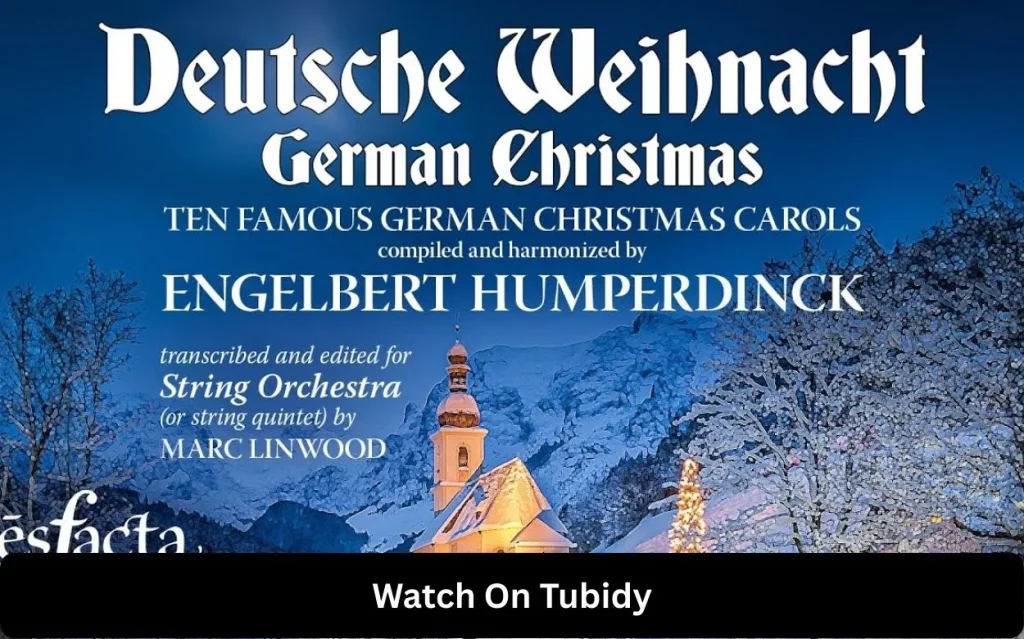
German Christmas songs are so beautiful because they are eternal. The world still sings classics such as O Tannenbaum and Stille Nacht in their homes and churches. Contemporary musicians like Helene Fischer and Andrea Berg have transformed the traditional melodies into modern ways of expression which guarantee that the songs will be remembered by the new generation without losing their cultural background.
| Aspect | Summary |
|---|---|
| Power | Timeless Weihnachtslieder; global Christmas influence (Stille Nacht, O Tannenbaum). |
| Performance | Choir-focused, emotional, communal; traditional + modern interpretations. |
| Message | Peace, hope, joy, faith, togetherness. |
| Lyrics | Poetic, symbolic, nostalgic; winter, candlelight, celebration. |
| Music & Vocals | Simple melodies, rich harmonies; organs, bells, choral vocals. |
| Symbolism | Faith, family, community, winter imagery. |
| Emotional Impact | Warmth, nostalgia, reflection; strong holiday traditions. |
| Conclusion | Culturally rich, spiritually deep, timeless Christmas classics. |
Performance
The German Christmas carols are often performed with an accent on emotion and singing together. The music is made alive by choirs, soloists and orchestras that make one feel like you are a part of it when you are in a gathering during a festival. Great artists such as Frank Schobel and Die Flippers have given memorable interpretations that have remained popular every year and their performance is both accurate and sensitive to make the carols more memorable.
To preserve these carols, live performances, particularly in churches and town squares are important. New composers such as Helene Fischer provide modern interpretations without disregarding the classical forms, and they are both fascinating to the young and old audience. The vitality, passion, and genuineness of such performances contribute to a promise that the German Christmas carols will continue being popular holiday ingredients even after several generations.
The Core Message
German Christmas carols have common messages of peace, hope and joy at their core. Other songs like the silent night are about spiritual reflection and calmness whereas others about the holiday season are about the excitement and togetherness. These messages will still have a point in future generations, which will strengthen the relevance of the songs and their emotional appeal.
Religious and cultural traditions are typically mixed in the main message with the festive spirit. Family, giving and gratitude lyrics reach out to the listeners of different backgrounds. German Christmas carols still bring people together, as the significant themes involve a lasting connection between the music, the memory, and the celebration of the season.
Lyrics Interpretation
German Christmas carols have lyrics, which are poetic, usually filled with images and symbols. The descriptions of candlelit evenings, snowy scenery, or happy parties are emotional appeals to strong feelings. Such classics as O Holy Night and Leise rieselt der Schnee show how the use of words could bring out both a feeling of coziness and of awe, and the resultant songs have stood the test of time.
The meaning and decoding of the lyrics will enable the audience to get the full depth of these songs. Contemporary versions of the songs have been adapted by artists like Andrea Berg using modern wording without losing its old appeal. The clarity, emotion, and imagery balance provide the German Christmas carols with the strength to still be heard and to inspire, becoming the classical pieces of musical heritage.
Musical Composition & Vocals
The harmonic pattern in the musical setting of German Christmas carols is the combination of easy but catchy melodies in simple form. Choral vocals are often accompanied by such instruments as bells, organs, and acoustic strings to promote the festive mood. Such performers as Helene Fischer and Frank Schobel skilfully combine the traditional arrangements with the modern production, preserving the music and making it topical.
Vocals are an important factor and clear diction and emotional delivery add to the effectiveness of every song. The harmonies of the choirs, a solo and overlaying vocal arrangements are rich and detailed. The German Christmas carols are based on the technical proficiency and the performance which makes sure that the listeners experience the warmth, happiness and the sense of holiness that these songs were intended to bring.
Symbolism and Deeper Meaning
German Christmas songs are usually very symbolic, and symbolize faith, family and community. The songs mention historical customs, seasonal practices and religious stories and form layers of cultural meaning. Classics such as “Silent night” have the essence of peace and goodwill, which are some of the values that have remained a priority during the holiday season.
The emotional effect of these carols is further promoted by the underlying meaning. References to candlelight, snowy scenes or the nativity scenes relate the listeners to the general experiences of winter and celebration. These songs will still be symbolically relevant to the future generations, and German Christmas carols will be able to stand the test of time and be relevant even beyond the cultural context.
Emotional Impact on Listeners
German Christmas songs are accompanied by a range of feelings, including coziness and nostalgia and even introspection. Such songs as O Tannenbaum or Stille Nacht evoke the recollection of family reunions, candlelit nights, and holiday customs, and make a powerful emotional appeal. Contemporary artists such as Andrea Berg make sure that these feelings are transferred in a believable and passionate manner.
German Christmas carols appeal to the heart and this is part of their popularity. Music listeners come back every year and associate music with loving memories and traditions of the festival. A combination of melody, lyrics and performance, these carols always make people feel happy, united and godly and have become an inseparable part of the holiday season.
Conclusion
German Christmas songs remain the pillars of the Christmas tradition. Songs of artists such as Helene Fischer, Andrea Berg, Frank Schobel, and others with their rich history, powerful messages, and touching melodies remain in the hearts of people all over the world. Their universal appeal is a mix of the cultural heritage and modern interpretation so that these songs will not become outdated in the near future.
The German Christmas carols have magic as they have the power to bring people together by using music, memory and emotion. This tradition will be continued in future classics, with their performance, lyrical depth, and spirit of celebration. These carols are not music but a lasting winter, joy and togetherness festival.